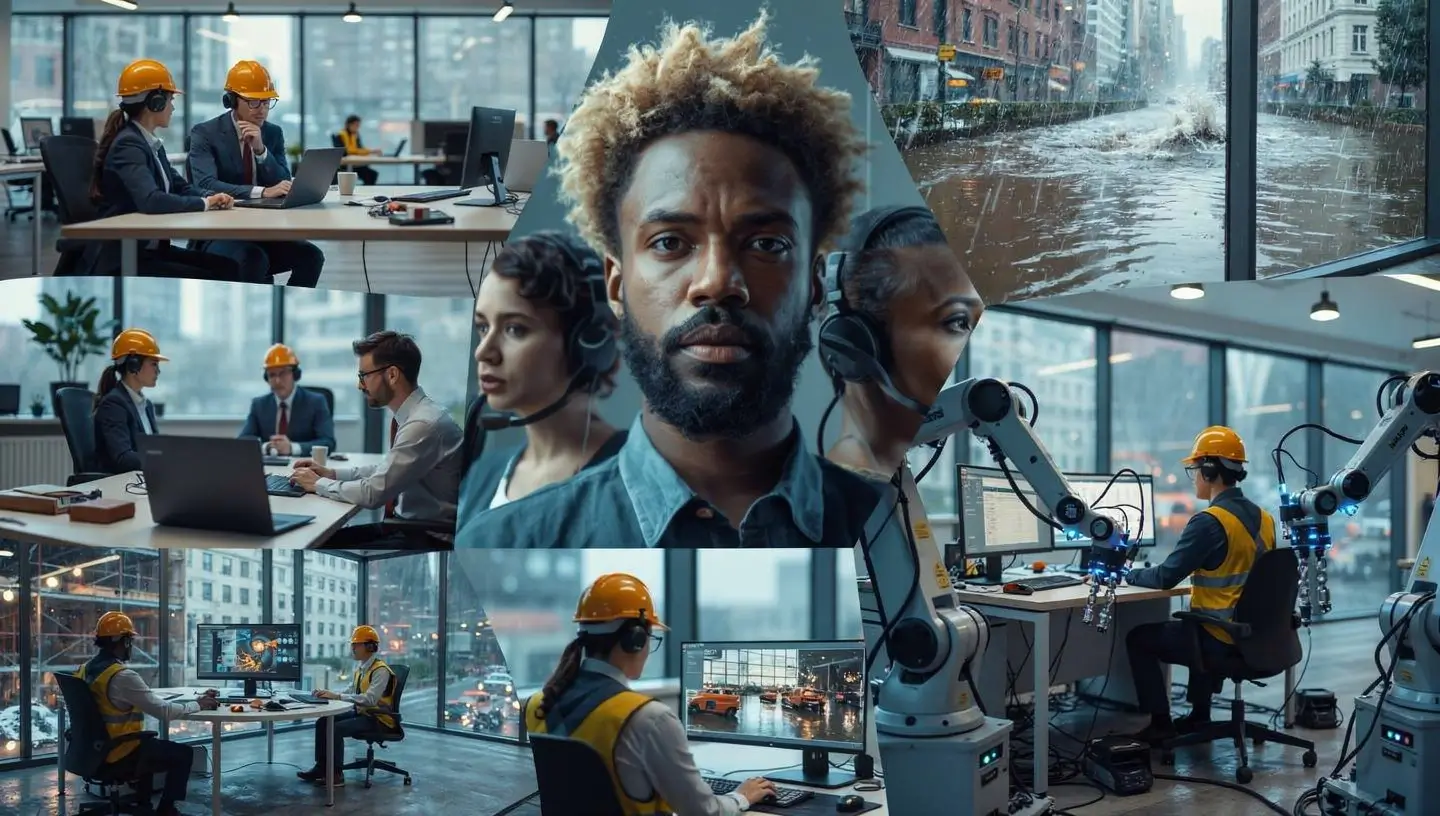
Workplace safety is no longer limited to hard hats and hazard signs; it is rapidly evolving alongside technology, changing work models, and global environmental shifts. From remote work setups and AI-powered machinery to extreme weather events and mental health pressures, today’s risks are more complex and interconnected than ever before. Economic uncertainty and workforce transformations are also pushing employers to rethink how they protect both people and productivity.
By 2026, safety will extend far beyond physical spaces, covering psychological, digital, and environmental well-being as well. Organizations that adapt early will not only reduce risk and legal exposure but also build stronger, more resilient teams. In this new era of work, proactive safety leadership will separate responsible employers from the rest.
Rise of Hybrid & Remote Work Safety Risks
The rapid shift to hybrid and remote work has transformed what “workplace safety” means for employers. It no longer applies only to office floors and factory sites, but also to home offices, shared spaces, and digital environments. This change has introduced a mix of physical, mental, and technological risks that many employers are still unprepared to manage. Here are some of the potential risks:
-
Poor ergonomics in home workspaces
Many employees work from couches, beds, or kitchen tables without proper chairs or desk height. This can cause long-term musculoskeletal problems such as back pain, neck strain, carpal tunnel syndrome, and eye fatigue if not properly addressed.
-
Mental health strain and burnout
With blurred boundaries between work and personal life, employees often struggle to “switch off.” This leads to chronic stress, isolation, digital fatigue, and eventually burnout, reducing both well-being and productivity over time.
-
Cybersecurity threats in remote settings
Home Wi-Fi networks, shared devices, and weak passwords increase the risk of data breaches and cyberattacks. Employees may unknowingly expose sensitive company information when working outside secure office networks.
-
Lack of emergency preparedness and oversight
Remote workers may not have access to immediate help in emergencies such as accidents, health events, or technical failures. The absence of on-site supervision also makes it harder for employers to identify and resolve safety risks proactively.
-
Legal and compliance grey areas
Many organizations are still unclear about how far their responsibility extends into an employee’s home. This creates compliance risks related to workplace safety laws, insurance coverage, and duty-of-care obligations.
Climate Change & Extreme Weather Hazards
As climate change intensifies, extreme weather events are becoming more frequent, severe, and unpredictable. Workplaces, both indoor and outdoor, are increasingly exposed to heatwaves, floods, storms, and poor air quality, forcing employers to treat climate resilience as a core part of their safety strategy. Learn about the key risks associated with climate change:
-
Heat stress and dehydration
Rising temperatures put outdoor workers and employees in non-climate-controlled environments (factories, warehouses, kitchens) at serious risk of heat exhaustion and heat stroke. Without cooling breaks, hydration access, and monitoring, productivity and health decline rapidly.
-
Poor air quality from pollution and wildfires
Smoke and pollutants from wildfires and urban smog reduce air quality and can trigger respiratory problems, heart issues, and fatigue. Workers with asthma or pre-existing conditions face higher risks, especially in poorly ventilated spaces.
-
Flooding, hurricanes, and storm damage
Flooded access roads, damaged buildings, and power outages disrupt business operations and endanger employees. Lack of preparation can trap workers, damage equipment, and create hazardous cleanup conditions involving contaminated water or electrical risks.
-
Increased risk for outdoor and warehouse workers
Construction workers, delivery drivers, sanitation teams, and warehouse staff are directly exposed to temperature extremes and unsafe surfaces. Slippery floors, unstable structures, and falling debris become more common during and after storms.
-
Inadequate emergency response planning
Many organizations still lack updated evacuation procedures, remote-work transition plans, or communication systems for climate-related emergencies. This delays response time and increases confusion, panic, and potential casualties.
-
Pressure to meet green safety standards
New environmental and energy-efficiency requirements may require building upgrades, ventilation improvements, and safer materials. Companies that delay adaptation face both safety risks and regulatory penalties as climate-focused laws tighten.
Increased Mental Health & Psychosocial Risks
The modern workplace in 2026 faces growing mental health challenges, driven by high-pressure environments, hybrid/remote setups, and economic uncertainties. Employers must recognize psychosocial hazards as part of overall workplace safety to protect employee well-being and productivity.
-
Stress and anxiety
Employees often experience chronic stress due to tight deadlines, workload fluctuations, and job insecurity. Left unaddressed, stress can lead to burnout, decreased focus, and physical health issues like hypertension and sleep disruption.
-
Isolation in hybrid/remote work
Remote work can reduce social interaction and team cohesion, increasing feelings of loneliness and disengagement. Isolation negatively impacts mental health, creativity, and collaboration.
-
Workplace violence and harassment
Harassment, bullying, and violent incidents remain significant psychosocial risks. Even subtle forms of aggression can undermine morale, increase absenteeism, and lead to long-term mental health challenges.
-
Need for Employee Assistance Programs (EAPs)
EAPs provide confidential counseling, crisis support, and stress management resources. Proactively offering these programs helps employees cope with personal and professional challenges before they escalate.
-
Creating psychologically safe workplaces
Encouraging open communication, regular check-ins, and supportive management fosters trust and resilience. Psychologically safe environments reduce stress, improve retention, and promote overall workplace health.
Technology & Automation Hazards
As workplaces adopt AI, robotics, and automated machinery, new safety risks emerge from human-machine interaction. Improper use, unexpected machine behavior, or lack of training can lead to injuries or operational errors. Employers must ensure proper guarding, clear safety protocols, and compliance with regulatory standards to protect workers. Ongoing training and risk assessments are essential to integrate technology safely into daily operations.
Wrap-Up
Workplace safety in 2026 requires a proactive, holistic approach that accounts for physical hazards, mental health, climate impacts, and technological changes. Employers who stay ahead of these challenges, provide proper training, enforce protocols, and foster a culture of safety will protect their workforce, enhance productivity, and meet evolving regulatory expectations.